

The property rental landscape is changing fast, and tenant apps are leading the way. These digital tools are revolutionizing the relationship between residents and their living spaces, as well as how property managers handle operations.
This shift is powered by top-tier tech solutions for Class A multifamily communities. For example, managers of luxury properties in Al Marjan Island could use these apps to offer premium, streamlined services to their residents, enhancing the living experience.
Understanding tenant apps
At their core, tenant apps are comprehensive digital platforms designed to streamline and enhance the experience of community living. They consolidate a wide array of essential functions into a single, accessible interface.
These functions can range from administrative tasks like lease management and secure payment processing to practical needs like submitting maintenance requests and staying informed about building announcements.
Furthermore, they often include features aimed at fostering a sense of community. By being mobile-friendly, these apps ensure that residents have seamless, on-the-go access to essential services and information, anytime and anywhere.
Current trends in tenant apps
As technology continues to advance, its integration into the property rental market is also accelerating. Recent statistics indicate a steady and growing adoption of tenant experience apps by both residents and property management teams alike.
The current trend emphasizes creating a superior user experience, making it as easy as possible for residents to manage their daily living needs while also actively fostering a vibrant and connected community environment.
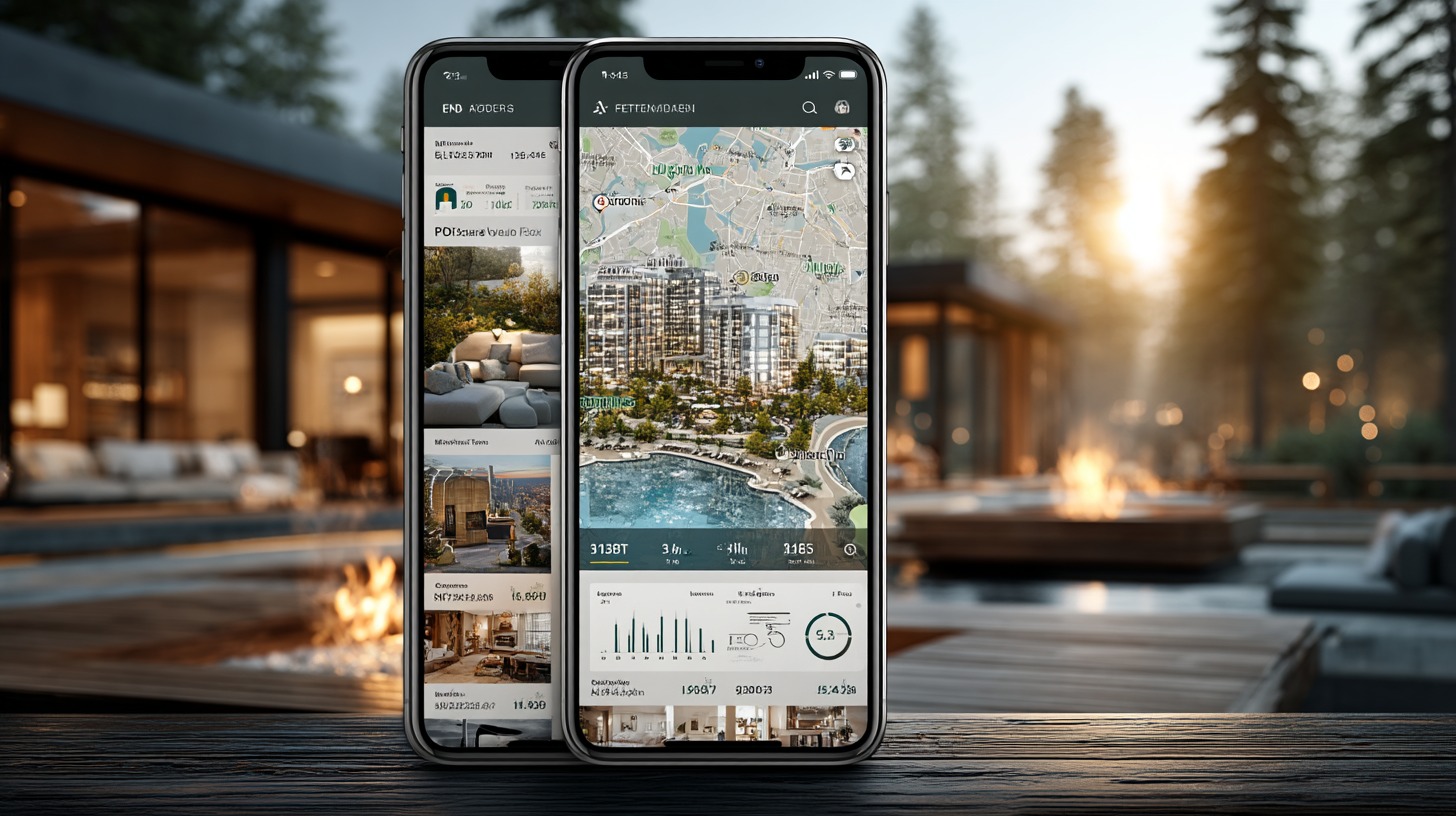
Benefits of tenant apps
The advantages of implementing a tenant app are twofold, benefiting both the residents who use them and the management teams who deploy them.
For residents
- Unmatched convenience: Tenant apps provide an exceptional level of convenience. They empower residents to communicate directly with property management, settle rent payments, and access important documents like lease agreements with just a few taps on their smartphone.
- Simplified maintenance requests: The cumbersome, often frustrating process of reporting maintenance issues is a thing of the past. With a dedicated tenant app, residents can quickly report a problem, upload photos, and track the status of their request in real time until it’s resolved.
- Enhanced community building: Beyond practicalities, these apps are powerful tools for promoting community engagement. Features such as shared event calendars, digital bulletin boards, and interest-based groups allow residents to connect and interact with their neighbors, strengthening the social fabric of the community.
For property management teams
- Streamlined and efficient operations: Tenant apps are instrumental in centralizing communication and automating administrative tasks. This consolidation streamlines property management processes, freeing up staff time and reducing operational friction.
- Improved tenant satisfaction and retention: By providing faster, more responsive service and a better overall living experience, property management teams can significantly increase resident satisfaction. Happier residents are more likely to renew their leases, leading to higher retention rates.
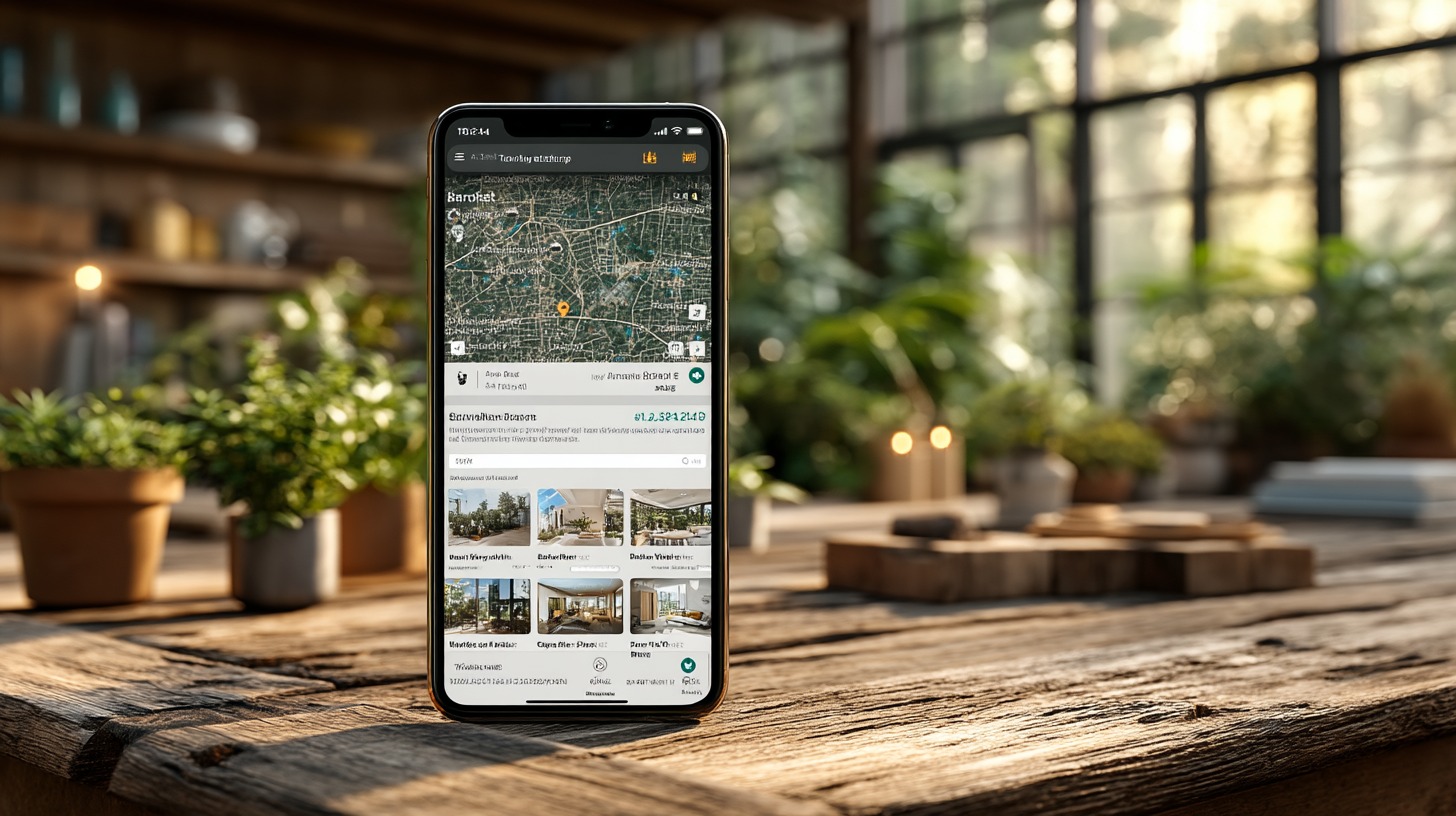
Homes in the rental app - Simplified financial tracking: These platforms offer robust tools to efficiently track rental income and manage expenses. This clear financial oversight allows for more accurate budgeting and better long-term financial planning.
Challenges and limitations
Despite their numerous benefits, successfully deploying a tenant engagement app is not without its challenges. Technical barriers can present significant hurdles; for example, ensuring app compatibility across various devices and addressing the varying levels of digital literacy among residents can impact adoption rates.
Data security is another paramount concern, as protecting sensitive resident information requires constant vigilance and robust security measures.
Additionally, the market is fragmented, with a multitude of apps available. This can lead to confusion for property managers and create inconsistent, disjointed user experiences for residents who may live in different properties over time.
The future outlook
What’s next for tenant apps in Class A communities? The future looks bright. We’re about to see some cool new features, like AI that can predict when things need fixing and offer personalized services.
Plus, these apps will work even better with smart home devices. Experts think that over the next ten years, more and more properties will use these apps, and the apps themselves will get a lot smarter, all thanks to new tech and what modern residents are looking for.